Why a Home Charger Usually Needs a Permit

A permit is not paperwork for its own sake. It is the mechanism a city uses to confirm that new electrical work matches the National Electrical Code (NEC) and that someone qualified has verified the finished job. A Level 2 charger draws a heavy, continuous load for hours at a time, which is a very different demand from a lamp or a phone charger on a general-purpose circuit. The breaker sizing, wire gauge, grounding, and disconnect requirements all exist because that load runs unattended, often overnight, in a garage.
Plugging a portable Level 1 cord into an existing outlet generally does not create new electrical work, so it typically falls outside the permit process. The moment a project adds a circuit, moves a panel, installs a new outlet such as the one described on our NEMA 14-50 outlet installation page, or hardwires a wall unit, it becomes new electrical work. In Wichita, new electrical work of that kind needs a permit and an inspection.
There is also a practical reason to permit the work even if nobody would ever knock on your door: documentation. A closed permit creates a record that the installation was checked. When you sell the home, that record answers a buyer's questions cleanly. Without it, unpermitted work can become a negotiation problem or a request to open walls and verify what was done.
Who Handles Permits in Wichita and Sedgwick County
In Wichita and most of Sedgwick County, electrical permits run through the Metropolitan Area Building and Construction Department, known locally as MABCD, at 271 W. 3rd St. N, Wichita. Applications, permit records, and inspection scheduling are handled through the MABCD portal, which is where the project's paperwork lives from application to close-out.
One Kansas quirk surprises many homeowners: Kansas has no statewide electrician license. Credentialing is local, and in the Wichita area it runs through MABCD. That means the rules, exams, and credentials that matter for your project are the ones administered by the local department, not a state board. When you hear that charger work should be done by a professional licensed locally through MABCD, that is a statement of the local regulation, not a marketing line.
Geography matters at the edges of the metro. Some suburbs and parts of Butler County use their own permitting desks rather than MABCD, with their own forms and inspection schedules. If your home sits outside Wichita proper, confirm which office has jurisdiction before assuming the MABCD process applies. A project planned through our residential EV charger installation referral process starts with exactly that check, because filing with the wrong desk costs days.
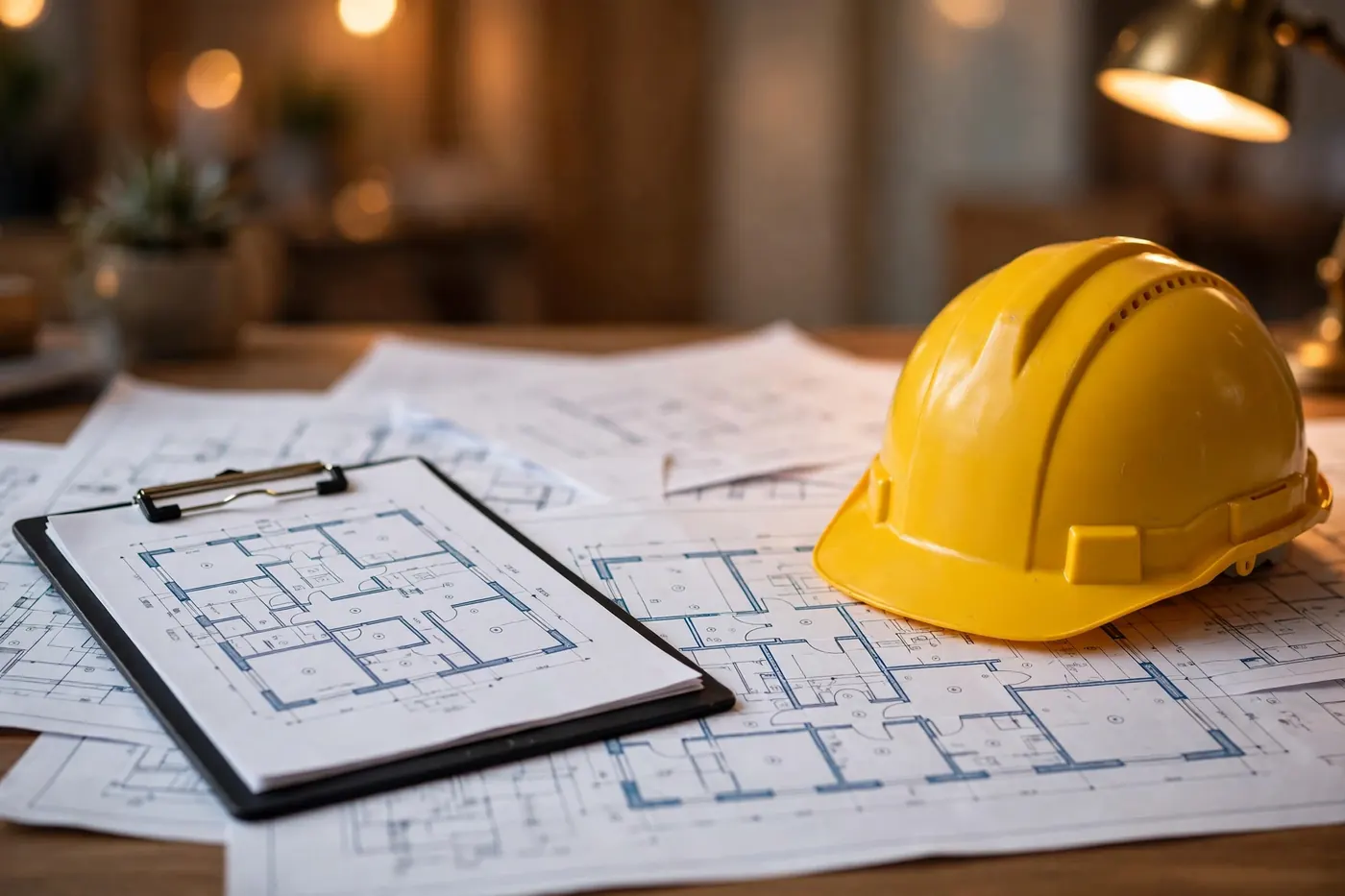
The Permit Path, Step by Step

Step 1: Assessment

Every project starts with a look at the home itself: the panel's capacity, the distance from the panel to the parking spot, and the condition of the existing electrical system. This assessment shapes everything downstream, because a home with spare panel capacity and a garage wall shared with the panel is a short project, while a home that needs panel work first has a longer path. Our panel capacity guide explains how that assessment is calculated.
Step 2: Application

With the scope defined, the permit application goes to MABCD describing the work: the new circuit, the charger, and any panel changes included in the project. Accurate scope matters. If the project grows mid-installation — say a panel upgrade joins the original charger circuit — the permit may need to be amended so the inspection matches the work actually performed.
Step 3: Permit Issued

Once the application is approved and fees are handled through the portal, the permit is issued and the work can be scheduled. The issued permit is what separates a planned project from an authorized one, and installation day should not arrive before it does.
Step 4: Installation
The professional installs the circuit, breaker, wiring, and charger according to the permitted scope and the current NEC as adopted locally. If the project includes a panel change, that work happens within the same permitted scope, following the approach outlined on our electrical panel upgrade for EV charger page.
Step 5: Inspection
Inspections are scheduled through the MABCD portal. Depending on the scope, a project may involve a rough inspection of wiring before walls or covers are closed, a final inspection of the completed installation, or both. The inspector verifies breaker and wire sizing, grounding, labeling, and that the installed work matches the permit.
Step 6: Close-Out
When the final inspection passes, the permit is closed and the project has its official record. Keep the close-out documentation with your home records; it is the piece of paper future buyers, insurers, and future electricians will be glad exists.
The Homeowner Exam Option
Wichita's rules include a path that surprises many people: an owner-occupant may pull their own permit for work on their own home, but only after passing MABCD's homeowner electrical exam. The exam is open-book and based on the 2023 NEC. It exists to make sure a homeowner doing their own electrical work understands the code requirements the inspector will apply.
Passing an open-book exam and comfortably running a continuous-load 240-volt circuit are different things, and most homeowners who look into the option decide the trade work belongs with a locally licensed professional, which is what the regulation requires whenever the homeowner exam route is not used. Either way, the permit and inspection steps still apply; the exam changes who may legally do the work, not whether the work is reviewed.
What Inspectors Typically Check

Inspection day goes smoothly when the installation anticipates what the inspector will examine: the load calculation supporting the new circuit, breaker type and size, conductor sizing for a continuous load, GFCI protection where the code requires it, grounding and bonding, disconnect provisions, and clear panel labeling. For plug-in installations, the grade of the receptacle matters too, as our comparison of NEMA 14-50 and hardwired chargers explains.
If an inspection identifies a correction, the item is fixed and a re-inspection is scheduled through the portal — a routine possibility worth building into the project timeline.
Frequently Asked Questions
Do I need a permit for a plug-in charger that uses an existing outlet?
If you are plugging a portable charging cord into an outlet that already exists and was installed for general use, you are not adding electrical work, so a permit is generally not part of that picture. If the project installs a new outlet, a new circuit, or any panel work to support the charger, that is new electrical work and the permit process applies in Wichita.
Can I pull my own permit as a Wichita homeowner?
Owner-occupants have a route to pull their own permit, but it is gated: you must first pass MABCD's homeowner electrical exam, which is open-book and based on the 2023 NEC. Homeowners who have not passed that exam cannot simply file and proceed; the trade work must instead be done by a professional licensed locally through MABCD.
What happens if a charger was installed without a permit?
Unpermitted work usually surfaces later rather than sooner — during a home sale, when an insurer asks questions, or when a later permitted project draws an inspector's eye to the panel. The typical remedy is to permit the work after the fact and have it inspected, which can mean opening finished surfaces so the wiring can be verified. Permitting the project from the start is far simpler than reconstructing it later.
Do Derby, Haysville, or other nearby suburbs use the same permit office?
Much of Sedgwick County runs through MABCD, but not every address does, and parts of Butler County and some suburbs operate their own permitting desks with their own procedures. The reliable move is to confirm jurisdiction for your specific address before filing, since an application sent to the wrong office simply has to be restarted at the right one.
Which inspection comes first for a new charger circuit?
When wiring will be covered by finished surfaces, a rough inspection of the wiring typically comes before the final inspection of the completed installation. Projects where everything remains visible may move straight to a final inspection. The permit issued through the MABCD portal reflects the inspections your specific scope requires, and scheduling runs through that same portal.
Next Steps
A permitted charger installation is a sequence, not a single appointment: assessment, application, permit, installation, inspection, close-out. Handled in that order, the process is uneventful — exactly what you want from electrical work. To plan a project, browse our services and the areas on our locations page, or read more guides on the blog. When you are ready to talk through your home's specifics, reach out through our contact page and we will connect you with a local professional who works within the MABCD process every week.